
Why New Zealand Forest Mead is Truly Unique
New Zealand forest mead begins long before fermentation. It begins with geology.
Aotearoa sits apart from most of the world’s landmasses because it left early. Around 80 million years ago, Zealandia separated from the southern supercontinent Gondwana and drifted into isolation. That separation shaped everything that followed.
While forests elsewhere evolved through continental collisions, ice sheets, and large land mammals, New Zealand’s forests developed along a quieter path. Over tens of millions of years, they adapted slowly, with continuity, and specificity to place.
A lineage older than the landscape itself
Many of the trees that define New Zealand’s native forests belong to lineages that reach back more than 150 million years. Podocarps such as rimu, tōtara, kahikatea, and mataī evolved long before flowering plants dominated the planet. Kauri sit within one of the oldest surviving conifer families. Tree ferns trace their ancestry to the earliest forest ecosystems on Earth.
These species endured profound change: rising seas, volcanic cycles, ice ages, and the near-submergence of Zealandia itself. What survived were species adapted to persistence: long-lived trees, slow reproduction, and ecosystems built to endure instability.
Modern New Zealand forests are expressions of that survival. They are shaped by long lifespans, slow growth, and ecological stability that unfolds over centuries.
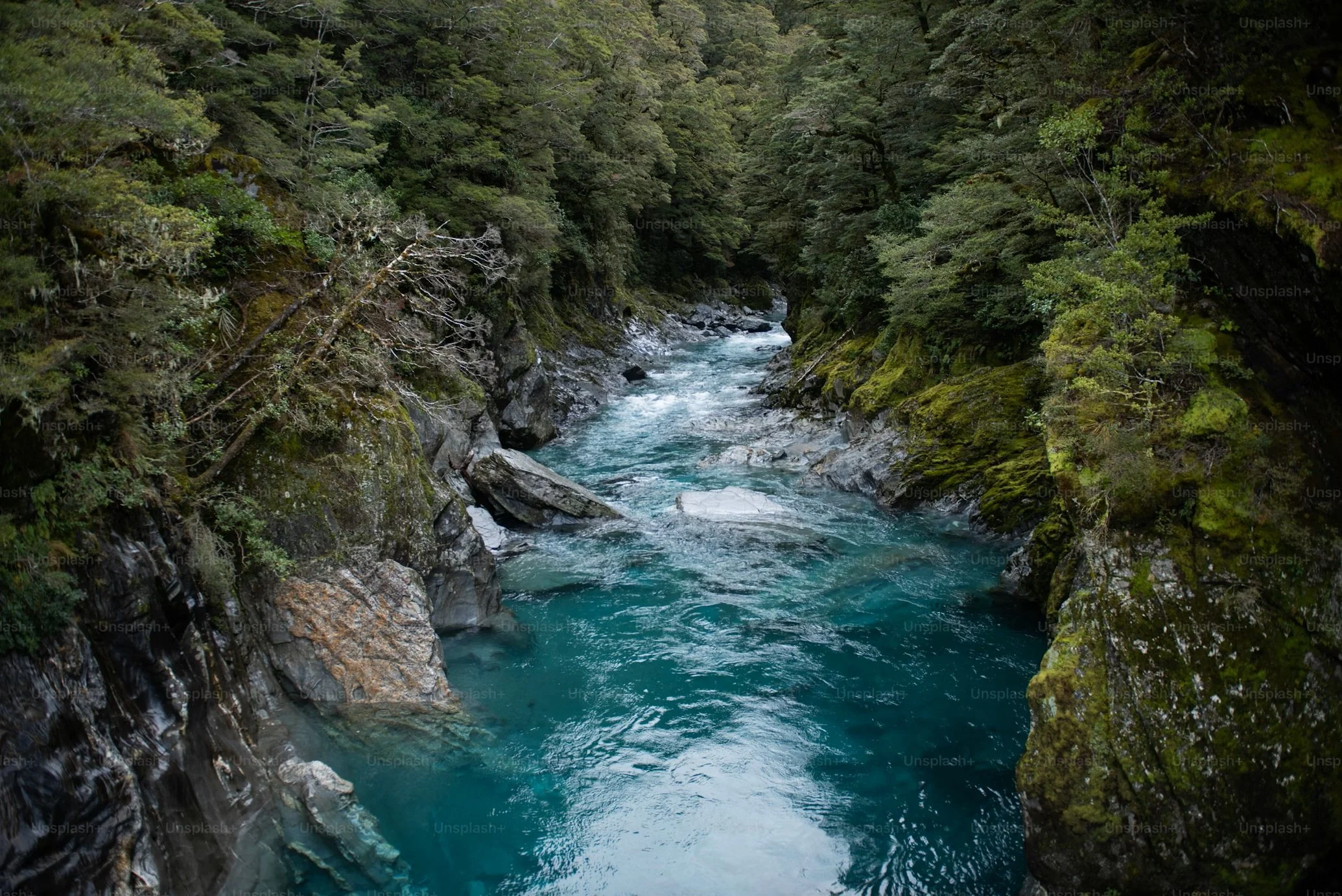
Forests that move at their own pace
Native forest ecosystems operate on extended cycles. Flowering patterns vary year to year. Nectar depend on weather, altitude, and seasonal balance. Honeydew forests rely on layered relationships between trees, insects, and fungi that take decades to establish.
Honey produced within these systems reflects those conditions. It is rarely uniform. It often carries mineral, resinous, and savoury notes alongside sweetness. Complexity builds gradually.
When fermented into mead, these qualities remain intact. Forest meads tend to develop structure first, flavour second, and resolution last. Time becomes an ingredient rather than a variable to be controlled.
Why New Zealand forest meads stand apart
Forest-derived meads are made in many parts of the world. In New Zealand, they emerge from a convergence of conditions that is unusually deep in both time and ecology.
Gondwanan lineage, long isolation, native forest systems, cool temperate climate, and limited historical disturbance have shaped honey sources that include honeydew, mānuka, and kānuka. While these sources differ in expression, they share a common origin in ecosystems that evolved over millions of years in relative isolation. Their chemical and flavour profiles reflect ecological structure rather than agricultural optimisation.
The meads that result express place with clarity. Whether drawn from honeydew, mānuka, or kānuka, their identity is shaped by forest systems measured in geological time rather than production cycles measured in seasons.
From forest to glass
At Undisturbed, forest-sourced meads are made with restraint. Patient fermentation with minimal intervention. The intention is to reveal the flavours of the forest that sit behind the sweetness of the honey.
This approach allows the forest to speak through the honey and the honey to carry its origin into the glass. The result is a mead that unfolds gradually, with depth, length, and a sense of continuity.
