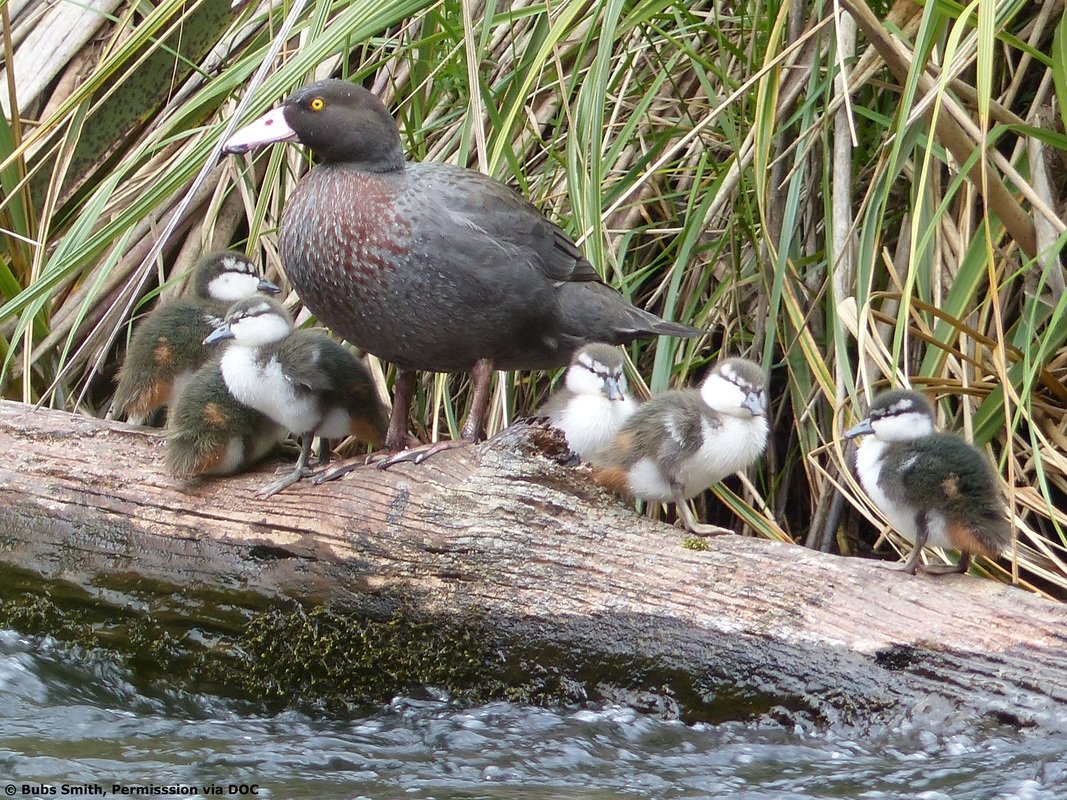
Whio of the Forest
There is something grounding about a river that still runs clean through native forest. The sound is different. The air is different. You can feel when a place is functioning as it should. In parts of Aotearoa, that health is measured by the presence of whio.
Whio - New Zealand’s blue duck - are river specialists. They live only on fast-flowing, clear waterways, usually deep within native bush. They are not adaptable paddock birds. They belong to current and stone, to shaded banks and intact forest margins. When whio populations decline, it signals that something in that system is under pressure. When they recover, it means sustained, deliberate work has been done.
That work is being carried out by Eastern Whio Link.
Eastern Whio Link is a collective of committed hunters and outdoor people focused on restoring whio numbers in the eastern North Island. Their approach is practical and demanding. Predator control across rugged terrain. Ongoing monitoring of river systems. Long hours in remote country. It is the kind of conservation that requires persistence rather than publicity.
Whio recovery is not sentimental work. It is strategic and physical. Reduce predator numbers and breeding success improves. Protect river corridors and habitat stabilises. Stay consistent over years and populations begin to rebuild. The gains are incremental, but they are real.
Why Undisturbed Is Supporting Eastern Whio Link
We were introduced to their mahi in late 2025 and were genuinely impressed by what they have achieved. There is a seriousness to their work that resonates. It is driven by respect for wild places rather than performance.
At Undisturbed Meadery, our connection to forest ecosystems is direct. Mead is one of the few alcoholic drinks that can be made entirely from what grows naturally in the bush, without clearing land or planting crops. Bees gather nectar from native flowers and honeydew from beech trees. We ferment that honey. The character in the bottle comes from the landscape itself.
Forest Goon was created to express that connection in a practical form. It carries the flavour of forest honey and is packaged in a lightweight 2-litre format that travels with a significantly lower freight footprint than glass. It was designed for huts, river trips, and shared tables outdoors. It exists because forests still stand and bees still forage.
Bees sustain forests through pollination. Whio depend on healthy forest rivers. Eastern Whio Link protects those rivers. The alignment is straightforward.
In support of their recent fundraising banquet, we donated a Mānuka Special Reserve and a Forest Mead for auction. Beyond that event, we have committed to donating the profits from every Forest Goon sold on our website until 30 March to support their whio recovery efforts.
It is a small contribution compared to the hours they invest in the field, but it reflects the same belief: that intact ecosystems matter, and that protecting them is practical work, not abstract sentiment.
Whio are uniquely adapted to fast water. They are part of what makes New Zealand rivers distinctive. Protecting them is about more than one species. It is about maintaining the integrity of entire catchments — forest, stream, insect life, bird life, and the people who move carefully through those places.
In modern times, healthy rivers and forest do not happen by accident. They endure because people choose to look after them.
—
Sam Callander
Undisturbed Meadery